
Daisies(Sedmikrasky)(1966) Directed By Vera Chytilova


Directed By Vera Chytilova One of the most vibrant and fun art house films you are ever likely to see. 
 Vera Chytilova was merging feminism, nihilism, psychedelic color filters, collage aesthetic, and silent film slapstick before films like "Easy Rider" were laying claim to the counter culture mantel of excellence.
 Daisies is a film of high post-modernism; bold colors, dutch angels, random interjections, highly allegorical, ironic, dissonant, fragmented, but with a distinctly Czech, feminist and aggro-punk edge.
 It's one of the best works of the genre, easily ranked or outranking more famous avant-garde flicks like The Holy Mountain, Hausu, Branded To Kill, and Celine And Julie Go Boating.

 What's most impressive about it, is how easily it appeals to people who would be otherwise completely turned off by those other films, or this style in general.
 The story is about two young girls named Marie who decide to self destruct, and be just as wicked as the world.
 They con men into buying them lunch and ditch them at train stations, get drunk in posh nightclubs, set their beds on fire, and lay siege to whole banquets.
 This latter bit got the film and the director into allot of trouble with the Soviet Czech government for "wasting food").
 The girls live from day to day, doing as little as possible, and enjoying in the world, revealing in simple facts, and turning them into giggle punctuated philosophical maxims like "We exist. We exist!".
 Anyway this is an energetic and vibrant film as you're likely to find anywhere, and unlike so many great Euro art films.

 Chytilova's debut is rare treat, as fun to watch as it is to ponder afterwards.

 Ive shown this movie to allot of people and Ive never had a complaint.

 "Daisies" clocks in at just over an hour, and it's brief run-time makes it easily and compulsively watchable.
  This is one of the most purely enjoyable films Ive ever seen.
  Chytilova intended it as a protest film of a sort, but between the two Marie's zeal for destruction and Chytilova's zeal for energetic cinematic deconstruction, the movie generates an almost happy-go-lucky and feel-good vibe.
  It makes me smile every time I put it in anyway.
  I know Ive said this before about plenty of films, but this is yet another one of kind experience, only this one is a bit sexier, funnier, and wilder than the rest.
 In fact the worst part of this movie is the cover.
  Ive watched this this too many times.
 I love these ladies.

Vera Chytilova was merging feminism, nihilism, psychedelic color filters, collage aesthetic, and silent film slapstick before films like "Easy Rider" were laying claim to the counter culture mantel of excellence. Daisies is a film of high post-modernism; bold colors, dutch angels, random interjections, highly allegorical, ironic, dissonant, fragmented, but with a distinctly Czech, feminist and aggro-punk edge. It's one of the best works of the genre, easily ranked or outranking more famous avant-garde flicks like The Holy Mountain, Hausu, Branded To Kill, and Celine And Julie Go Boating.What's most impressive about it, is how easily it appeals to people who would be otherwise completely turned off by those other films, or this style in general.The story is about two young girls named Marie who decide to self destruct, and be just as wicked as the world. They con men into buying them lunch and ditch them at train stations, get drunk in posh nightclubs, set their beds on fire, and lay siege to whole banquets. This latter bit got the film and the director into allot of trouble with the Soviet Czech government for "wasting food").The girls live from day to day, doing as little as possible, and enjoying in the world, revealing in simple facts, and turning them into giggle punctuated philosophical maxims like "We exist. We exist!". Anyway this is an energetic and vibrant film as you're likely to find anywhere, and unlike so many great Euro art films.Chytilova's debut is rare treat, as fun to watch as it is to ponder afterwards.Ive shown this movie to allot of people and Ive never had a complaint. "Daisies" clocks in at just over an hour, and it's brief run-time makes it easily and compulsively watchable. This is one of the most purely enjoyable films Ive ever seen. Chytilova intended it as a protest film of a sort, but between the two Marie's zeal for destruction and Chytilova's zeal for energetic cinematic deconstruction, the movie generates an almost happy-go-lucky and feel-good vibe. It makes me smile every time I put it in anyway. I know Ive said this before about plenty of films, but this is yet another one of kind experience, only this one is a bit sexier, funnier, and wilder than the rest. In fact the worst part of this movie is the cover. Ive watched this this too many times. I love these ladies.
 Directed By Vera

 Vera
Vera 
 Lost because
  These films show us a new language in cinema, that never got to develop.

 Her use of sound alone in this film puts her on par with Godard and Leone, her use of color is unlike anything I have ever seen (the first 10 minutes in Eden are a luminous collage of images, patterns, and live actors), and her sense of story(arguably her least accessible trait) is like Bunuel or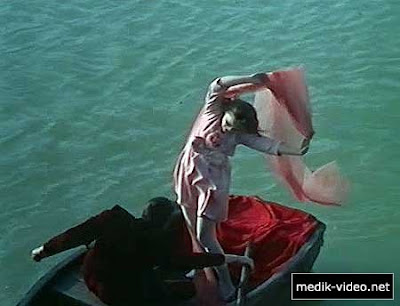
 The story is an allegory of Adam and Eve, in a modern(made in 60's) Health Retreat.
 The action involves our heroin wandering the grounds where she becomes obsessed with a mysterious man in red, who may or may not be a killer.
 What follows is a fragmented story of awakening, it's pains and pleasures, but don't look more literally than that, like Lynch's Inland Empire, it's best to view this film
  Not that you cant or shouldn't get anything more out of this film, than a lesson in the expansive
  If you want to just watch the pretty colors, it's got that, if you want to argue about "ontological freedom and meaning", you could use this film as a trampoline, but that role rests here on the viewer.
 If your looking for a novel experience in a sea of modern cinematic redundancy, the Fruit Of Paradise, is the food for you.
 If you want to watch realistic characters, exchange in pseudo-
 That goes double for


